
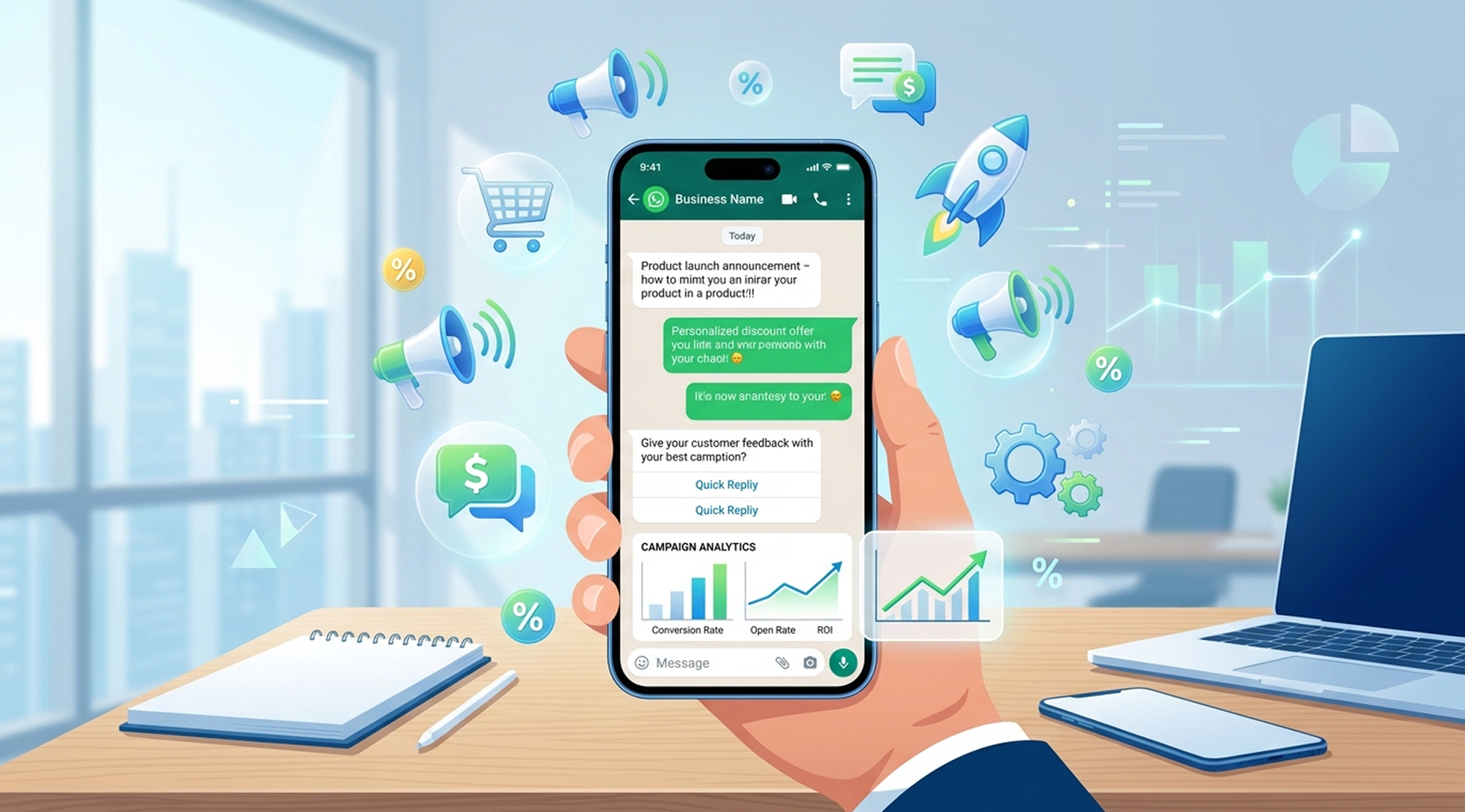
Most businesses still think WhatsApp campaigns mean sending a message to everyone and hoping for results.
But modern WhatsApp marketing is no longer about broadcasting —
it’s about strategic, automated conversations that guide customers toward action.
Today, businesses use structured campaigns to drive engagement, nurture leads, and increase conversions — not just send messages. In fact, automated WhatsApp drip campaigns use timed, sequential messages to guide users from interest to purchase instead of relying on a single message.
In this blog, we’ll explore practical WhatsApp campaign ideas that businesses can implement to drive growth and improve customer engagement.
Why WhatsApp Campaigns Matter Today
Customers rarely convert after seeing a single message.
They need reminders, reassurance, and the right offer at the right time.
Modern WhatsApp campaigns help businesses:
- Stay connected with customers
- Automate follow-ups
- Personalize communication
- Improve conversion rates
- Reduce manual workload
Many brands now use structured campaigns such as product launches, flash sales, loyalty reminders, and abandoned cart messages to increase engagement and sales.
25 WhatsApp Campaign Ideas You Can Implement
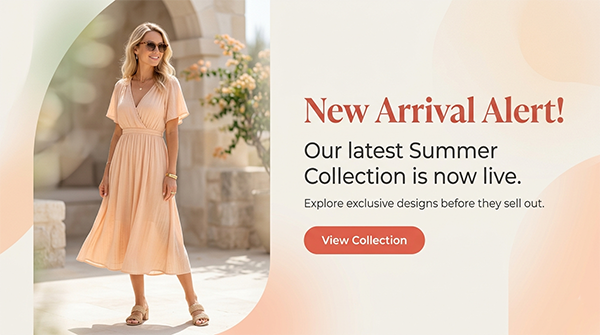
1. New Product Launch Campaign
A New Product Launch Campaign is designed to introduce newly released products directly to customers who already trust your brand. Instead of waiting for customers to discover products on your website or social media, this campaign proactively informs them and builds excitement. It also helps generate early demand and immediate visibility for new items.
Example:
2. Flash Sale Campaign
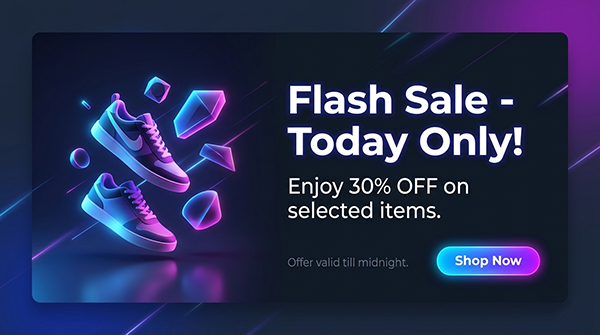
A Flash Sale Campaign focuses on creating urgency by offering discounts for a limited time. The key objective is to trigger quick decisions by reminding customers that the opportunity is temporary. This type of campaign works especially well during festive seasons or inventory clearance periods.
Example:
3. Welcome Campaign for New Leads
A Welcome Campaign is used to greet new customers or leads when they first interact with your business. This campaign builds trust, introduces your brand, and sets expectations. It helps establish a positive first impression and prepares customers for future engagement.
Example:

4. Abandoned Cart Recovery Campaign
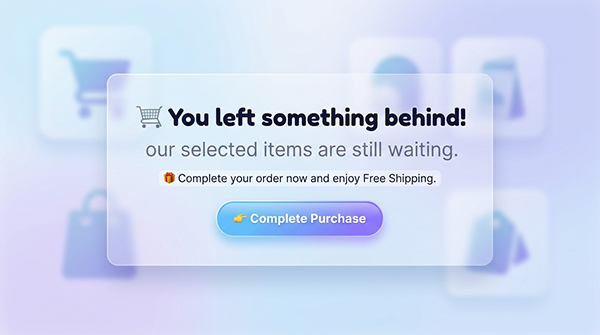
An Abandoned Cart Campaign targets customers who showed interest in purchasing but didn’t complete their order. This campaign reminds customers about unfinished purchases and encourages them to return. It helps recover lost sales and improves overall conversion rates.
Example:
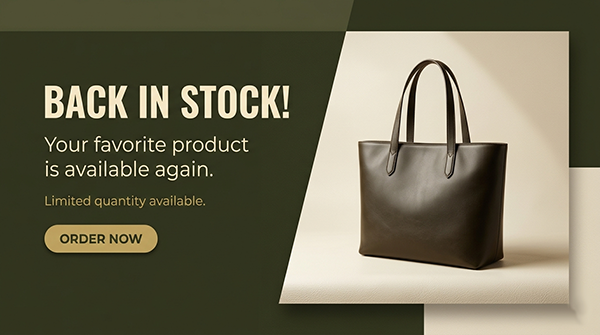
5. Restock Notification Campaign
A Restock Campaign informs customers when previously unavailable products are back in stock. Customers who were interested earlier are likely to return and complete their purchase once availability is restored.
Example:
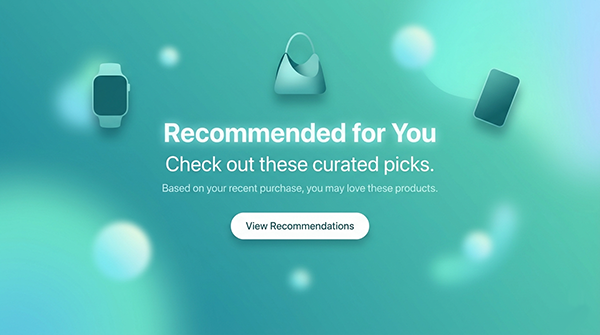
6. Personalized Product Recommendation Campaign
A Personalized Recommendation Campaign suggests products based on customer preferences, purchase history, or browsing behavior. This approach increases engagement because customers receive suggestions that are relevant to their interests.
Example:
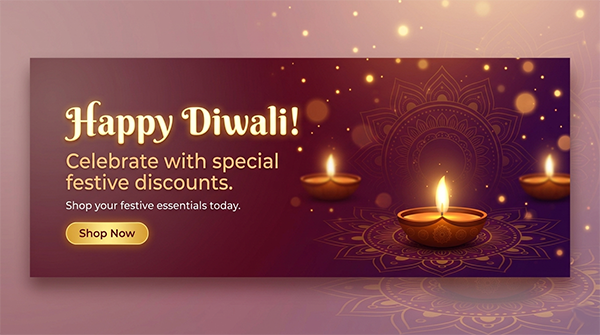
7. Festive Campaign
A Festive Campaign leverages holidays and celebrations to engage customers with themed messages and seasonal offers. Festivals naturally encourage shopping behavior, making this one of the most effective campaign types.
Example:
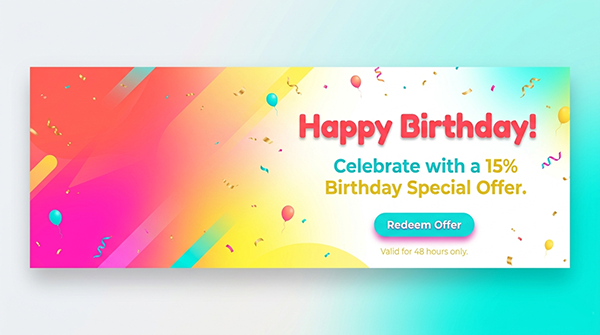
8. Birthday & Anniversary Campaign
A Birthday or Anniversary Campaign is a personalized engagement strategy that celebrates special moments in a customer’s life. These campaigns strengthen relationships and create emotional connections with the brand.
Example:
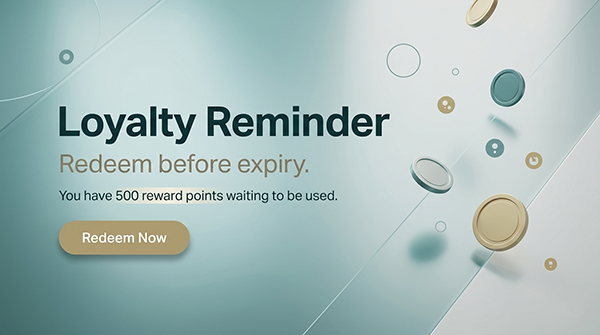
9. Loyalty Program Reminder Campaign
A Loyalty Reminder Campaign notifies customers about unused rewards or points. It encourages repeat purchases by reminding customers about benefits they might otherwise forget.
Example:
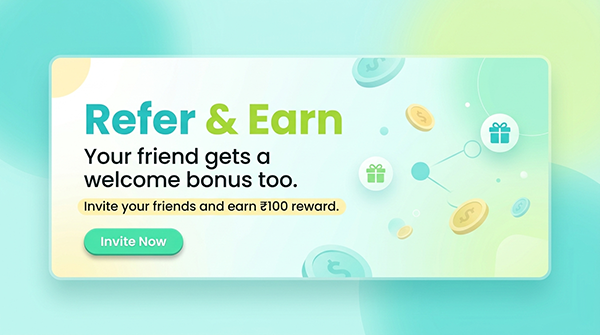
10. Referral Campaign
A Referral Campaign encourages existing customers to invite friends and family. This campaign relies on trust-based marketing, where recommendations from known individuals drive new customer acquisition.
Example:
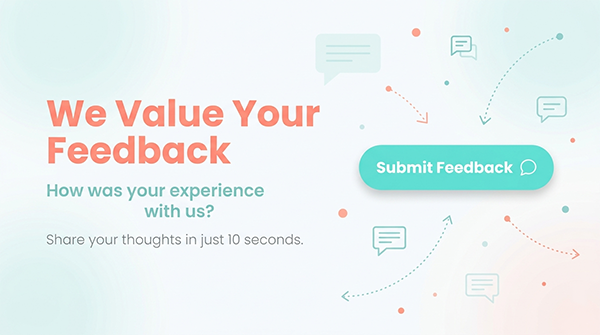
11. Customer Feedback Campaign
A Customer Feedback Campaign collects opinions and reviews from customers about their experience. This campaign helps improve service quality and build trust among new customers.
Example:
12. Lead Nurturing Campaign
A Lead Nurturing Campaign gradually educates customers before encouraging them to make a purchase. Instead of pushing immediate sales, this campaign builds trust through useful information and value-driven communication.
Example:
13. Limited-Time Upgrade Campaign
Promote premium versions or upgrades.
Best For: SaaS and subscription businesses
14. Free Gift Campaign
Offer a free product with purchase.
Effect : Increase average order value.
15. Back-in-Stock Campaign
Notify customers who previously showed interest.
Result : Higher conversion rate.
16. Appointment Reminder Campaignpaign
Remind customers about upcoming appointments.
Best For : Clinics, Salons, Consultants
17. Payment Reminder Campaign
Send reminders for pending payments.
Result : Improves cash flow.
18. Event Invitation Campaign
Invite customers to webinars or store launches.
Goal : Increase participation.
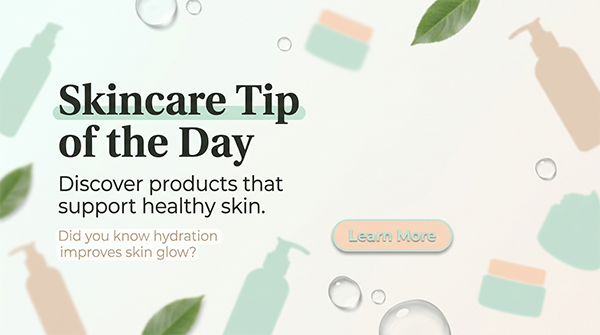
19. Educational Campaign
Share knowledge about your product or industry.
Example : Skincare tips, Investment tips, Fashion styling tips
Education-based campaigns are increasingly used to build trust before selling.
20. Upsell Campaign
Suggest complementary products.
Example : Bought shirt → Suggest matching accessories.
21. Cross-Sell Campaign
Recommend related items after purchase.
Goal : Increase order value.
22. Re-Engagement Campaign
Reconnect inactive customers.
Example : “We miss you — here’s a special offer.”
23. Countdown Campaign
Send reminders before offer expires.
Psychology : Creates urgency.
24. VIP Customer Campaign
Give early access to loyal customers.
Result : Improves brand loyalty.
25. Post-Purchase Follow-Up Campaign
Check customer satisfaction after purchase.
Impact : Encourages repeat business.
How Smart Businesses Are Using Campaign Automation
Traditional messaging is no longer enough.
Businesses today use automated campaign sequences that:
- Send messages based on customer actions
- Deliver follow-ups automatically
- Track customer responses
- Improve timing and engagement
Drip-style campaigns work by sending multiple messages at the right time instead of relying on a single message, improving engagement and conversion rates.
The Future of WhatsApp Campaigns
WhatsApp campaigns are evolving into AI-driven conversational journeys.
Instead of sending generic messages, businesses now:
- Segment customers
- Personalize responses
- Track conversions
- Optimize campaigns automatically
This shift from broadcasting to intelligent campaigns is shaping how businesses engage customers in 2026 and beyond.
The Future of WhatsApp Campaigns
WhatsApp campaigns are evolving into AI-driven conversational journeys.
Instead of sending generic messages, businesses now:
- Segment customers
- Personalize responses
- Track conversions
- Optimize campaigns automatically
This shift from broadcasting to intelligent campaigns is shaping how businesses engage customers in 2026 and beyond.
How WaBot Helps You Run High-Performing Campaigns
With WaBot, businesses can transform simple WhatsApp messages into data-driven campaigns.
Using WaBot, you can:
- Create targeted campaigns
- Run A/B testing
- Track delivery & click rates
- Measure ROI
- Automate follow-ups
- Group contacts based on responses
- Analyze campaign insights in real time
Instead of guessing what works,
you’ll know exactly what converts.
Final Thoughts
WhatsApp campaigns are no longer optional –
they’re becoming a core growth channel for modern businesses.
The difference between average and high-performing businesses isn’t how many messages they send –
It’s how intelligently they engage customers.
And that’s where platforms like WaBot make the difference
